
Warehouse and Commercial Site Security: Cameras, Access, and Monitoring
Warehouse and Commercial Site Security: Cameras, Access, and Monitoring
Warehouse security isn't just about putting up a camera or locking the door anymore. It's a whole ecosystem—a layered approach combining surveillance cameras, access control, and active monitoring to keep both the building and the assets inside safe. We're talking about risks that come from outside, like break-ins or theft, and from the inside, like employee misconduct or even just honest mistakes.
With warehouses getting bigger, more automated, and sometimes even housing sensitive or expensive goods, old-school security can’t keep up. Today’s technology lets us track every entry, monitor every corner, and catch problems before they spiral into disasters. Throughout this guide, we’ll break down what modern systems look like, why they matter, and how decision-makers can pick the best solutions for their needs. By the end, you’ll have a clear view of the options out there and what it takes to build a secure commercial site in this age.
Comprehensive Camera Systems for Modern Warehouses
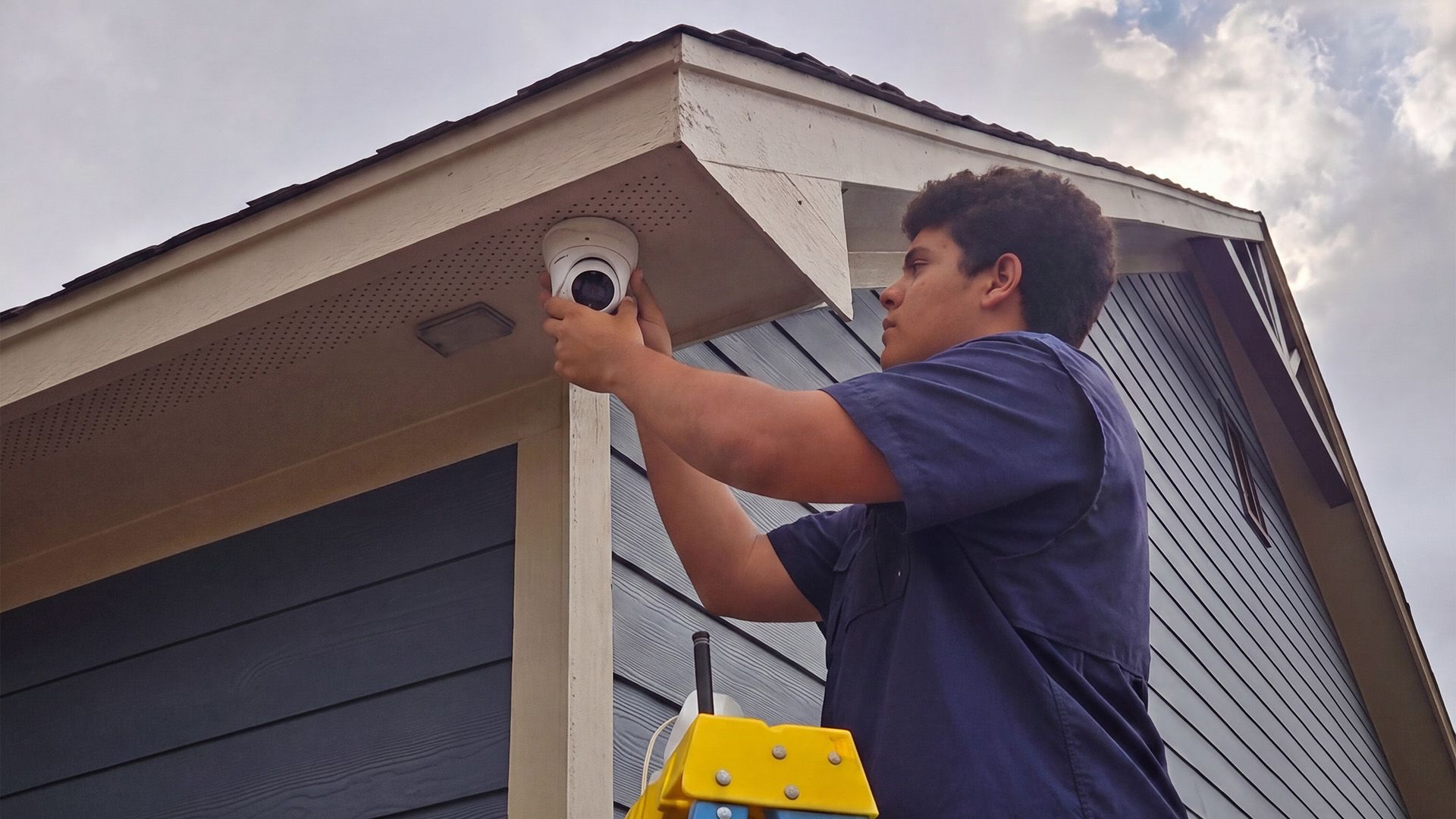
With threats around every corner—quite literally in some operations—modern warehouses need surveillance that’s smarter than ever. It’s not just about “having cameras”; it’s about picking the right cameras, with the right specs, and putting them in the right places. That way, we actually catch what’s going on, and don’t just end up staring at blurry footage after the fact.
Warehouse environments throw unique challenges at security teams: high ceilings, massive doors, and no shortage of dark spots and aisleways where things can slip through the cracks. Add in external risks, like ambitious trespassers or the occasional ambitious raccoon, and suddenly, a basic system won’t cut it. We’ll soon cover how an evolving lineup of cameras—dome, bullet, turret, PTZ, fisheye, and even thermal—address these exact challenges, matching different facility layouts and risk areas.
The technology behind cameras has evolved just as quickly—higher resolution video, smarter night vision, and robust weatherproofing are now table stakes. Features like remote access or AI analytics aren’t “nice-to-haves” but essentials for catching issues in real-time and keeping storage areas, loading docks, and perimeter zones as secure as possible.
As we step through the following sections, you’ll get practical insights on which camera systems work best, what specs to put at the top of your list, and how cloud-based surveillance is changing the game. Let’s dig into the tech that keeps modern warehouses ahead of the curve—and ahead of those who mean them harm.
Types of Security Cameras Warehouses Use Today
- Dome Cameras: These rounded, low-profile cameras are made for indoor environments where you need reliable coverage and a tamper-resistant installation. They’re great for warehouse aisles, entrances, and even common areas because their design makes it tough for anyone to tell exactly where they're aimed.
- Bullet Cameras: Built to be seen, bullet cameras are the outdoor workhorses—ideal for monitoring parking lots, perimeter fences, and loading docks. Their long, cylindrical shape lets them capture footage from a distance, acting as both a deterrent and a clear watchful eye over high-risk zones.
- Turret Cameras: Offering a blend between bullet and dome form factors, turret cameras are compact but versatile. Their adjustable lens makes them easy to mount on ceilings or walls, and they deliver excellent image quality indoors or under sheltered outdoor eaves.
- PTZ Cameras (Pan-Tilt-Zoom): These cameras can be remotely moved to survey wide areas or zoom in on suspicious activity. They're best suited for large, open warehouse spaces or monitoring operations from a central control room.
- Fisheye and Thermal Cameras: Fisheye models provide 360-degree panoramic coverage, perfect for wide storage zones, while thermal cameras detect heat signatures—ideal for low-visibility or pitch-black conditions, and for spotting intruders in outdoor areas at night.
Each type fits a strategic role. Bullet and thermal cameras secure the outside, while dome, turret, and fisheye units handle the complex interior layouts. Reviewing warehouse needs and risk areas helps match the right camera to the right spot, making surveillance thorough and efficient without wasting budget.
Key Technical Features for Effective Warehouse Surveillance
- Resolution: Higher resolution means clearer images. Look for at least 1080p (Full HD) as a baseline, but 4K is increasingly common. The better the image, the easier it is to identify faces, license plates, and details during investigations.
- Frame Rate: Measured in frames per second (fps), higher frame rates (like 30fps or more) result in smoother video. This matters when tracking fast-moving people or machinery—lower fps can make footage choppy and hard to review during real incidents.
- Low-Light and Night Vision: Warehouses aren't bustling 24/7, but risks don’t sleep. Cameras need to capture usable video in darkness or poor lighting. Look for true infrared (IR) night vision or low-light color technology—key for monitoring after hours or in shadowy corners.
- Indoor/Outdoor Durability: For any camera outside or near big warehouse doors, weather resistance is non-negotiable. Cameras should have sufficient IP rating (IP66 or IP67) for water, dust, and temperature extremes.
- Field of View: Wide fields of view (FOV) cover more territory per camera, limiting blind spots. This helps keep camera counts (and costs) reasonable while maximizing coverage of inventory aisles or open storage areas.
- Audio Recording (Optional): Some situations may benefit from capturing audio in addition to video, but be aware of legal restrictions and privacy regulations.
- Cybersecurity Readiness: Any camera connected to your network is a potential target for hackers. Look for firmware that supports automatic updates, strong encryption, and administrative controls to keep surveillance data secure.
Choosing the right specs matters not just for image quality, but also for system reliability, evidence value, and compliance. Invest in features tailored to your facility’s actual risks—don’t be dazzled by marketing fluff alone.
Modern IP and Cloud-Based Camera Systems For Warehouses
- Remote Access: IP and cloud camera systems let users view live feeds or stored video from anywhere—via phone, tablet, or computer. This cuts down response times when issues arise and enables management oversight without being on-site 24/7.
- Scalability and Hybrid Deployments: Thinking of growing your square footage? IP systems make it easy to add cameras or merge sites. Hybrid solutions—mixing on-site NVRs with cloud storage—allow for flexible, staged upgrades that suit both small facilities and sprawling multi-site operations.
- Integration with Analytics: Modern systems work hand-in-hand with AI analytics, automating everything from motion detection to advanced object tracking. This makes for smarter alerts and fewer hours spent rewinding footage, as well as faster investigations when loss or safety incidents pop up.
- Transparent and Predictable Costs: While up-front costs can be higher than analog systems, IP and cloud options offer subscription models, predictable updates, and easy-to-calculate Total Cost of Ownership.
- Cybersecurity and Network Protection: With great connectivity comes great risk. Make sure systems support encrypted video transmission, multi-factor authentication, VLAN network segmentation, and regular firmware updates to prevent breaches—a rising concern as IoT devices proliferate in warehouse environments.
- Backup and Resilience: Cloud-based storage prevents footage loss if on-site equipment fails, and many systems integrate with uninterruptible power supplies (UPS) or cellular backup for connectivity. These options are a lifesaver in power outages, storms, or remote warehouses with rougher infrastructure.
If you're stuck with older analog systems, plan for phased upgrades—so you don't get stranded with outdated or unsupported gear. Modern IP solutions bring agility, deeper insights, and peace of mind that analog simply can’t match.
Integrating Access Control and Perimeter Security
Cameras might be the watchful eyes of your warehouse, but access control and perimeter security are the locks, alarms, and guard dogs that keep trouble at bay. These layers work together to drive down vulnerability and make sure only authorized folks and vehicles enter sensitive areas.
Digital access control systems—think keypads, cards, fobs, or phone-based credentials—now integrate directly with surveillance cameras and alarms. That means you don’t just know when the door was opened; you know who opened it, and you can check the footage if anything looks odd. This connected approach lets us monitor and manage every access point: main entrances, restricted zones, and those busy loading docks (where things can “walk off” in a hurry).
On top of that, today’s warehouses use smart sensors, advanced alarms, and even license plate recognition to spot risks on the edges before someone ever sets foot (or tire) inside. This seamless integration protects inventory, infrastructure, and staff from a wide range of threats—inside and out. Next, we’ll get into the mechanics of access systems, smart sensors, and how to truly shore up those perimeter weak spots.
Access Control Systems Prevent Unauthorized Access
Modern warehouse access control systems come in many flavors—keypad entry, proximity card readers, key fobs, and mobile phone-based credentials being the most common. Each lets authorized staff enter with their own code, card, or device, while restricting outsiders from getting in. This keeps entrances, office zones, and storage areas for high-value goods tightly managed.
What separates these systems from a basic lock-and-key? They create detailed audit trails of every entry and exit. That means supervisors can always see who accesses which part of the warehouse, with timestamps for investigations or compliance. These audit logs also help spot patterns—like repeated out-of-hours access or entry into restricted areas—before they become risks.
As for integration, leading access control systems can tie directly into video surveillance. If a door alarm goes off or a code fails, the system can automatically pivot a camera to record the scene and alert managers in real time. Some platforms even automate lockdown routines in emergencies, tightening site security on the fly.
Cost and installation varies: keypad and card readers are affordable and quick to deploy, while mobile systems and advanced integrations call for a bit more planning and IT support. Best practice is to assign different access levels by job role, limiting exposure in sensitive areas like server rooms, hazardous material storage, or loading docks. Retrofitting existing doors or bays isn’t complicated for most facilities, making it relatively easy to bring older buildings up to modern standards.
Smart Sensors, Alarms, and License Plate Recognition in Warehouse Security
- Motion Sensors: These devices trigger alerts if movement is detected in off-hours or restricted areas. When integrated with cameras, they can record incidents as soon as they happen, cutting down on unnoticed events.
- Glass-Break Detectors: Designed to catch intrusion attempts before a door even opens, these sensors send instant alerts when windows or glass doors are shattered, prompting quick response from security staff or law enforcement.
- Smart Alarms: With network connectivity, smart alarms go beyond just making noise—they notify authorized personnel by phone or email, or even alert third-party monitoring centers. Some alarms can be remotely armed and disarmed as needed.
- License Plate Recognition (LPR) Cameras: These specialized cameras capture and log vehicle plates entering and leaving the site. They can be paired with access control to spot unapproved vehicles or add another digital audit trail for deliveries.
- Environmental Sensors: Detect risks like high humidity, smoke, or temperature extremes that may threaten inventory, and alert managers before small issues become costly disasters. These are especially relevant in cold storage or sensitive electronics warehousing.
All these components work together to speed up threat detection and automate incident response, with compliance-minded systems storing encrypted logs for later review—and all while helping managers meet today’s strict alarm dispatch and data privacy standards.
Strengthen Perimeter Security and Secure Loading Docks
- Install High-Visibility Cameras: Place weatherproof bullet and thermal cameras around the perimeter—especially near entry gates, fences, and blind spots. Prioritize wide fields of view to cover large stretches of parking lot or open yard, and install at angles that minimize obstructions from vehicles or pallets.
- Layered Lighting Strategies: Good lighting is a deterrent in itself and boosts camera image quality at night. Use motion-activated floodlights around loading docks and laneways where visibility drops after dark or during poor weather.
- Access Gate Control: Secure property entrances with badge readers, intercoms, and automated gates. Restrict access to delivery and shipping hours when possible, and log every entry for later review if issues arise.
- Physical Barriers and Clear Signage: Engrave boundaries with fencing, barriers, or bollards, and mark “Authorized Personnel Only” in high-traffic spots like dock doors or employee entrances. Clear signage alone can turn away less-determined trespassers.
- Active Monitoring and Rapid Response: Combine automated sensors with live monitoring. When an alarm triggers, have protocols ready for personnel or off-site monitoring centers to intervene—whether that means paging an on-site guard, calling local police, or using intercoms to issue a remote warning.
- Environmental Hardening: Use ruggedized, industrial-grade cameras (IP67 or better) and sealed access control panels that withstand extreme temperatures, dust, moisture, and vibration—especially relevant for exposed loading areas or remote warehouse sites.
All these steps make high-risk outdoor areas, like loading docks or vehicle bays, much tougher targets—and keep inventory, staff, and visitors safe from common security threats day and night.
Video Analytics, AI, and Remote Monitoring Solutions
We all know footage is only as good as our ability to use it. That’s where AI, analytics, and remote monitoring are rewriting the rules of warehouse security. With warehouses running lean and sites sprawling larger than ever, the last thing anyone wants is to spend hours staring at video reels looking for problems that already happened.
Today’s systems don’t just record; they interpret. AI-powered video analytics sort events from noise, flagging legitimate threats and reducing costly false alarms. These same analytics pull data that informs smarter decisions—like adjusting staffing, rearranging high-value goods, or tweaking workflows for maximum efficiency.
Remote monitoring is another game changer. With modern software, security teams can oversee multiple locations from a single dashboard, rely on live feeds, and intervene in real time when incidents unfold—even if nobody’s physically present. By layering these capabilities atop sturdy hardware, warehouses gain a holistic solution that scales, adapts, and actually helps managers sleep at night.
AI-Powered Motion Detection and Video Analytics Software
- Real-Time Event Detection: AI-powered software “watches” for movement and automatically differentiates between people, vehicles, and animals, reducing the number of false positives that can overwhelm human guards.
- Intelligent Object Classification: Advanced analytics recognize and log specific objects, like forklifts, delivery trucks, or suspicious packages. This helps focus investigations and generate precision audit trails without hours of manual sorting.
- Behavior Analysis: Video analytics can flag loitering, rapid movement, or deviations from normal workflow, alerting managers to possible theft, safety hazards, or even procedural breakdowns before they get serious.
- Automated Alerts and Reporting: When AI detects an event, the system can send instant notifications to managers or even immediately cue recorded video clips, fast-tracking response and documentation.
- Saving Man-Hours: By automating what used to be manual surveillance tasks, AI systems allow staff to focus attention on true issues—meaning warehouses don’t need to double their headcount for “eyes on screens.”
- Corporate Compliance: Automated records support thorough investigations and streamline reporting for insurance or legal inquiries. They also help warehouses comply with evolving standards on video evidence and incident retention.
- Easy Integration: Most analytics platforms are compatible with a wide range of IP and cloud-based cameras. Setup and calibration are increasingly simple to manage—whether you’re new to video analytics or looking to upgrade an existing system.
AI-driven analytics straight up change how we approach risk—they bring us closer to “incident prevention” than just “incident review.” That’s a big leap for any warehouse serious about security and compliance.
Remote Monitoring Tools and Live Intervention
- Third-Party Monitoring Centers: These companies watch camera feeds outside business hours—or 24/7, if you prefer—and step in with phone calls, voice-down warnings, or law enforcement dispatch when needed. This takes pressure off in-house staff and ensures a rapid response.
- Live Video Auditing: Periodic audits of live or recorded footage can uncover safety issues, process breakdowns, or anomalies in workflow that may signal theft or other risks. This approach is ideal for compliance-heavy operations.
- Hybrid Monitoring Models: By combining cloud access and scheduled remote spot checks with on-site security staff, warehouses can scale up protection according to their actual risk profile and budget.
- Instant, Multi-Site Oversight: Warehouse chains or distributed facilities can be managed from a central dashboard, allowing a single security manager to “see” what’s happening everywhere in real time.
- Technology Requirements: Reliable connection is key—with redundant power (UPS), cellular backup, and encrypted cloud logins providing critical resilience. For sensitive sites, always choose platforms that enforce multi-factor authentication for user access.
- Operational Impact: Remote monitoring not only improves emergency response, but also cuts down on costs tied to on-premises guard staff or overnight shift coverage. It offers peace of mind without an army of employees and allows for flexible scaling during seasonal changes or peak periods.
Real-world example: when a suspicious truck pulls into a lot at 3 a.m., a remote operator can zoom PTZ cameras, sound an intercom, or notify local authorities—often before anything’s stolen or damaged. This is proactive security, not just record-keeping.
Strategic Placement for Maximum Camera Coverage
- Identify and Eliminate Blind Spots: Start by mapping out the warehouse—aisles, racking, high shelves, and obscure corners—then plan camera locations to make sure every critical area is under surveillance. Use fisheye or wide-angle cameras where single units can cover more ground.
- Layered Coverage for High-Value Areas: Storage rooms for expensive goods or pharmaceutical inventories call for layered camera coverage—meaning multiple views from different angles to catch both employees and outsiders.
- Monitor Entry and Exit Points: Place cameras at main doors, employee entrances, and loading docks. Pair with access control readers to log who’s entering/leaving and when, tying footage to specific events if an investigation arises.
- Optimize Camera Angles and Heights: Mount cameras high enough to prevent tampering, but low enough that faces and identifying features aren’t lost in the distance. Every camera should avoid glare, direct sun, or reflective surfaces, and be kept clear of moving equipment.
- Regulatory and Operational Considerations: Don’t point cameras at break rooms, restrooms, or other private spaces—a compliance must. And coordinate with warehouse managers to ensure camera placement doesn’t disrupt workflows, machinery access, or daily operations.
- Future-Proofing Camera Maps: As storage configurations change (or expansion happens), revisit camera layouts often to maintain thorough coverage—don’t let a simple rack reorganization open up new blind spots.
Effective camera placement is the difference between catching security events as they happen—or reviewing incomplete footage when it’s already too late. Planned right, you maximize value and minimize headaches down the road.
Addressing Internal and External Theft Risks
No warehouse can afford to underestimate the threat of theft—from clever outsiders or even trusted insiders. Newsflash: while splashy robberies grab headlines, much of the actual loss happens quietly, through small-scale pilfering or policy violations on the inside. Tackling both fronts calls for a holistic, tech-supported approach that covers more than just cameras on the front door.
It’s not all about finger-pointing. Addressing theft and misconduct also means setting the tone for accountability, supporting honest employees, and making sure there’s a clear, documented trail when incidents occur. Over the next sections, we’ll zero in on using security tech to limit shrinkage, encourage policy compliance, and keep honest folks honest—while sending a not-so-subtle message that bad actors (inside or out) won’t get far.
Mitigating Internal Theft and Employee Misconduct
- Camera Coverage of Sensitive Areas: Place cameras over inventory storage, packing lines, and shipping zones. This deters theft, helps identify suspicious patterns, and verifies claims when items go missing or are mishandled.
- Access Control and Audit Trails: Limit who can enter high-value or controlled inventory zones, and tie every access event to a user identity. Audit logs let investigators see exactly who was present and when—filling in the blanks quickly when things don’t add up.
- Real-Time Monitoring and Alerts: Set software to flag after-hours activity or unscheduled access attempts, triggering investigations before losses escalate or misconduct spreads.
- Evidence for Investigations: High-quality video is crucial during HR inquiries or legal disputes. It supports fair outcomes and helps maintain morale—employees know the system protects both them and company assets.
- Inventory Management Tie-Ins: Connect camera footage to Warehouse Management Software (WMS) logs, so video matches up with inventory movement records. This integration reduces “mystery” losses and pinpoints workflow breakdowns that permit shrinkage.
- Balanced Approach to Oversight: Use monitoring tools thoughtfully—set policies that respect employee privacy but make clear that critical assets are watched, not colleagues’ personal activities.
According to industry studies, warehouses deploying integrated camera and access systems can see double-digit drops in shrinkage rates and faster resolution of internal incidents. In the end, a strong system not only cuts losses but underscores a culture of trust and accountability.
Deterrence, Crime Prevention, and Employee Safety in Warehouses
- Visible Camera Installations: Well-placed cameras and access controls signal to would-be thieves and dishonest staff that risks are actively monitored, lowering the likelihood of attempted theft or policy violations.
- Comprehensive Security Policy Communication: When employees know what’s watched (and why), they’re less likely to cut corners or engage in risky activity—especially when security procedures are part of onboarding and ongoing training.
- Layered Defenses for Crime Prevention: Multiple overlapping deterrents—physical, digital, and procedural—confuse burglars and discourage opportunistic crime. If one layer is bypassed, others can stop or at least record the event.
- Integration into Training Programs: Use real-footage examples and analytics insights in workforce training to reinforce procedures and develop a collective “see something, say something” approach.
- Employee Safety and Morale: Security investment isn’t just about loss—it shows employees the company values their safety and the overall working environment, leading to better morale and staff retention.
- Studies and Outcomes: Research shows that visible, well-explained security programs can cut crime rates by half in high-risk settings, while also leading to a significant drop in property damage and workplace accidents.
Layered security doesn’t just catch bad actors—it fosters a workplace where people feel safe, valued, and confident that their employer is protecting everybody’s best interests.
Compliance, Data Management, and Operational Efficiency
An effective warehouse security program runs on more than good hardware. Behind the scenes, compliance and data management are what keep the whole system legally defensible and operationally sound. Modern surveillance systems are about laws—privacy, notification, footage retention—as much as they’re about crime prevention.
Managers must balance regulatory compliance and employee rights with the very real need to document, investigate, and sometimes share video after incidents. This is also where strong data management and cybersecurity become critical: there’s a big difference between having footage and actually keeping it secure from cyber threats or legal pitfalls.
Surveillance tech, when managed correctly, can also power up operations—from inventory flow to staff training and continuous improvement. We’re about to break down these legal and efficiency factors, so every warehouse can run a system that’s both safe and smart for the long haul.
Legal Compliance and Employee Privacy Regulations
In the United States, video surveillance in warehouses is covered by both federal and state regulations. Employers must notify employees of video recording through posted signage, employee handbooks, or direct communication. Legally, cameras cannot point into private areas—such as restrooms or designated breakrooms—where employees have a reasonable expectation of privacy.
Audio recording has stricter rules. Most states require the consent of at least one party to record conversations—some require all parties to agree. If your camera system includes microphones, be sure to research and comply with the applicable laws or simply disable audio.
Retention periods for video footage are often determined by company policy, insurer requirements, or industry guidelines, but regulations may require specific minimums—like holding footage for 30, 60, or 90 days. Old recordings should be securely deleted to avoid storage overrun or accidental leaks.
Beyond privacy, facilities must protect stored footage from cyber threats. This means using secure cloud storage services, encrypting data at rest and in transit, and restricting access via passwords or multi-factor authentication. Regularly update system firmware and monitor access logs to ensure no unauthorized access or tampering occurs.
Lastly, standards compliance is a moving target: OSHA, HIPAA for pharmaceutical facilities, and even local ordinances may dictate how video footage can be used in investigations or submitted as evidence. Build compliance into your surveillance operation from the start, not as an afterthought.
Enhancing Operational Efficiency With Surveillance Insights
- Inventory Tracking and Loss Reduction: Integrated surveillance lets managers match visual records with WMS inventory logs, pinpointing when and where losses happen. Footage can also help locate misplaced shipments or confirm delivery events.
- Workflow Analysis and Process Optimization: Video analytics highlight bottlenecks—are too many workers crowded in one aisle, or are loading docks congested at certain times? Reviewing these trends leads to better scheduling and workflow redesigns.
- Staff Training and Safety Programs: Actual footage of good (and bad) work practices can train teams on best procedures, lifting safety, or emergency response. This visual approach accelerates onboarding and keeps standards high.
- Automated Alerts and Compliance Audits: Automated surveillance can flag doors left open, equipment left running, or entry into sensitive areas after hours. These alerts prompt corrective action fast, reducing risks and supporting compliance initiatives.
- Operational Visibility: Managers don’t have to be everywhere at once. Live feeds and analytic reports give real-time insight into daily operations, helping prioritize attention and resources for where they’re needed most.
- Measurable Results: Warehouses leveraging surveillance insights often report improved throughput, reduced errors, and lower shrinkage rates. For example, a pharmaceutical distributor saw a 35% productivity boost after integrating analytics from their security system with existing workflow dashboards.
When security systems are used as management tools, everyone's daily routine gets smoother—not just safer.
Vendor Selection, FAQs, and Future-Proofing Strategies
Picking the right security technology isn’t just about grabbing the best-reviewed camera on Amazon. There are established vendors, emerging brands, and custom solutions—each with strengths and specialties to weigh. For anyone tasked with securing a warehouse or commercial site, comparing options side-by-side is key, especially as needs shift and tech evolves.
This section will introduce the leading names in warehouse security, guide readers through the most common questions about system sizing, pricing, insurance, and ongoing maintenance, and—most importantly—help you map out how to keep your investment relevant for years to come. By understanding both the brand landscape and future-proofing best practices, organizations can avoid costly mistakes and take full advantage of new features, integrations, and efficiency gains.
Top Brands: Verkada, Avigilon, and Personalized Recommendations for Warehouses
- Verkada: Known for their easy-to-use cloud platform and scalable hardware, Verkada excels at multi-site or distributed warehouse management. Their analytics and remote access features are strong, making them a fit for growing operations.
- Avigilon: A powerhouse for investigation-heavy environments, Avigilon delivers high-resolution cameras and robust analytical tools. They're especially strong for sites needing forensic-grade video and tight integration with access controls.
- Axis, Hanwha, Hikvision: Reliable alternatives with broad compatibility for hybrid IP/analog sites. They cover a range of budgets and warehouse sizes, and often support advanced cybersecurity safeguards.
- Personalized Solutions: The best fit often comes from a custom assessment—factoring in warehouse layout, storage type, and risk profile. Most reputable vendors will offer an on-site or virtual risk evaluation as part of their quote process.
Always request specific references and verify compliance certifications with each vendor. Quick tip: choose companies willing to tailor solutions rather than pushing generic packages.
FAQs About Warehouse Security Cameras and Getting a Quote
Most warehouse operators come into this process with a handful of urgent questions—starting with, “How many cameras do we actually need?” Generally, one camera per 1,000–2,000 square feet is a reasonable baseline, but specialized areas (docks, server rooms, parking lots) will require extra coverage. A reputable security consultant can do a proper assessment based on your floorplan and risk profile.
Next, costs: Camera system prices can range from a few thousand dollars for basic setups to well into the six figures for large or multi-site deployments with analytics, AI, and extended cloud storage. Consider ongoing subscription costs for cloud-based systems and any potential hardware upgrades as you scale. Installation is a one-time fee but often includes cabling, mounting, and initial training.
Off-site or remote monitoring? IP and cloud-based systems require stable internet, but many offer local backup or cellular failover for emergencies. Hybrid systems strike a balance by keeping footage onsite while pushing alerts and critical video to the cloud for off-site viewing.
Insurance premiums sometimes decrease for sites with robust, verifiable surveillance, as this lowers risk for theft, vandalism, and false claims. Always verify with your provider to understand the documentation or certifications required for discounts.
To get a quote, contact your shortlisted vendors with rough square footage, risk areas, and operational goals. Ask for a walk-through—onsite or virtual—and expect vendors to provide both pricing and a recommended layout. This step saves headaches down the road and ensures you’re not over- or under-buying for your operation’s real needs.
Future-Proofing and Scalable Security Plans for Warehouses
- Layered Security Design: Plan your security system with redundant layers—cameras, sensors, and access controls. This way, if one system is bypassed or fails, others can take over, keeping threats at bay.
- Hardware and Environmental Resilience: Choose IP67 or better ratings for any outdoor cameras and industrial-grade hardware for access points in harsh or dusty zones. Consider UPS backup, solar-powered cameras, and cellular connectivity to maintain uptime during outages or in remote areas.
- Regular Technology Upgrades: Schedule annual reviews of firmware, analytics software, and cybersecurity protocols. Look for systems, like many cloud solutions, that receive periodic automatic updates and can adopt new AI features easily.
- Scalable Infrastructure: Adopt open-architecture camera platforms and software that support easy add-ons. If expansion is likely, ensure both hardware and network infrastructure allows for phased deployments across multiple buildings or sites.
- Integration Capabilities: Pick systems that easily sync with access control, WMS, visitor management, and HR attendance logs. The more data “talks,” the more actionable intelligence you’ll extract and the less duplication you’ll experience.
- Plan for Tomorrow’s Needs: Work with vendors who have a strong track record of product support, software updates, and forward compatibility. Avoid systems with proprietary lock-in or that can’t be easily integrated into future security or operational software.
By building for change, warehouses safeguard their investment and can react fast, whether it’s a new threat, business expansion, or shifting technology landscape.
Conclusion: Building a Unified Warehouse Security Program
A strong warehouse security program brings together surveillance cameras, access controls, smart monitoring, and regulatory compliance into one seamless operation. By layering these elements, we lower risks, deter theft, and support safe, efficient workflows. Remember—security is never “set it and forget it.” As threats and business needs evolve, so should our systems and policies.
Regular reviews ensure all components—from hardware to software—work together, supporting both legal standards and operational excellence. A unified approach keeps warehouses ready for whatever tomorrow brings, giving everyone inside those walls peace of mind—day and night.
Stay Informed: Industry Updates, Recent Posts, and Resources
Warehouse security never stands still, and neither should we. Stay up to speed with industry news, new product releases, and changes in legal regulations by keeping tabs on company blogs, trade publications, and peer forums. Categories like commercial security, warehouse operations, and loss prevention are rich sources of practical ideas and alerts on emerging threats.
Consider subscribing to updates or following key voices in the security field—this way, we all get ahead of problems before they crop up. Building a strong network and continuing our education is the best defense in a world where risk is always changing. Stay vigilant. Stay connected. Stay secure.
Centex Systems