
What Kind of Security Should a Business Consider and What It Costs
What Kind of Security Should a Business Consider and What It Costs
Security is no small issue for businesses near Fort Hood and Bell County. Being this close to a major military installation means the stakes—both for theft and more serious threats—are a bit higher than your typical small-town or suburban area.
When thinking about security, we want to consider more than just alarms. There’s access control, 24/7 monitoring, trained guards, and a whole range of technology options these days. What you need—and what you’ll pay—depends on your building size, industry type, compliance requirements, and how much risk you can stomach.
Some folks just need basic coverage; others need tight, military-grade protocols. It’s all about choosing the right level for your budget and your peace of mind. In this article, we’ll walk you through the most common service tiers, the big-name local providers, and evolving technology choices, so you can get a sense of what makes sense for your operation.
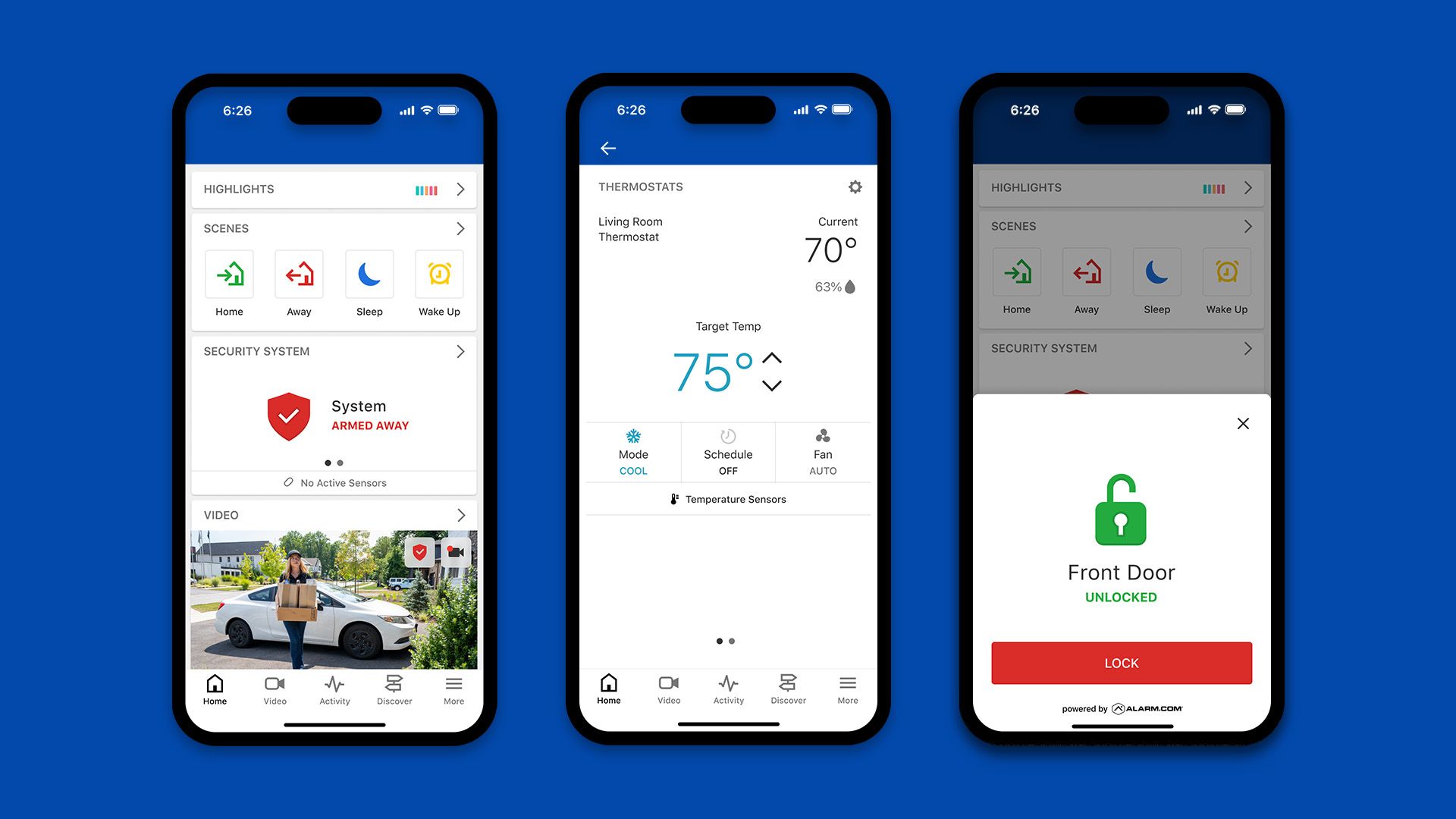
Security Service Tiers for Businesses Near Fort Hood and Bell County
If you’re running a business in Bell County—be it retail, warehousing, or any office near Fort Hood—you’ll notice the security options fall into neat little packages or “tiers.” Local providers organize their services in a way that lets you pick and choose what fits your needs and wallet, from the ground floor up to the fancy penthouse of protection.
Think of these tiers like the menu at a steakhouse: Bronze for the basics, Silver and Gold for more flavor, and Platinum for those who want the works. Each one stacks on more features, complexity, and expert oversight as you go up. Your decision usually lines up with the specifics of your operation—how much property you’ve got, what you’re storing, and if you’re on the short list for regulators to come knocking.
The real kicker is how these tiers connect to price—more tech and professional involvement means costs tick upward. Some business owners want total control and will go self-managed, while others want to hand over the keys to folks who do it for a living. The next sections will break down exactly what comes in each plan and the upsides and downsides of doing it yourself versus bringing in the pros.
Understanding Bronze Silver Gold and Platinum Security Plans
- Bronze PlanUsually covers the “bare minimum” safety needs: a basic alarm system, simple lock upgrades, and maybe a couple of clearly visible surveillance cameras at main entry points. You get local alerting and signage for deterrence, but not much integration or remote management.
- This setup runs around $35 to $80 per month for monitoring with initial setup fees often $500–$1,200 depending on the specific hardware used. Good for low-risk offices or storage areas where compliance isn’t a huge issue.
- Silver PlanNow we’re stepping it up: the Silver tier adds more sensors—motion detectors, glass break monitors—and an option for limited video recordings. Some packages might throw in smartphone alerts or schedule-based system control.
- Expect prices to move into the $80–$150 a month range, plus extra for installation and upgrades. This tier works well for retail and small office settings closer to the main roads or just outside Fort Hood, where you want visible deterrence and quicker response options.
- Gold PlanThe Gold packages are all about advanced monitoring: full property video surveillance (often with cloud storage), integration with access control (badges, keypads), daily or nightly security patrols, and prioritized dispatch for break-ins or emergencies.
- Costs typically stretch from $150 up to $350 monthly, plus high-end gear setup. This is a top pick for larger businesses handling sensitive information, multiple points of entry, or higher cash volume.
- Platinum PlanThis is the “no corners cut” tier: 24/7 offsite monitoring, AI-powered video analytics, direct integration with law enforcement, advanced cybersecurity support, and even on-site armed response for the highest-risk businesses.
- Platinum starts around $350–$700+ per month, not including significant up-front investments for custom installations. Recommended for defense contractors, facilities with compliance standards, or any business handling classified or regulated data near Fort Hood.
Bronze and Silver are about basic coverage—think alarms and some cameras. Gold and Platinum are about full protection, tech integrations, and professional response, often tailored to match the unique risks around Fort Cavazos and high-traffic Bell County areas.
Self-Managed Versus Professionally Managed Security Tiers in Killeen Businesses
- Self-Managed Security Plans (Bronze, Silver, etc.)With self-managed tiers, you’re the boss: your team arms/disarms the system, handles alerts, and decides when to upgrade. You buy or lease the hardware, set up software, and handle incidents on your own.
- Pros: Lower ongoing costs, more direct control, and flexibility to swap providers or tech anytime. Cons: You have to handle maintenance, troubleshooting, and—most importantly—jump into action yourself if something goes down overnight.
- Best for: Small offices, businesses with in-house IT/security chops, or operators who’d rather not pay fat monthly management fees.
- Professionally Managed Security (Bronze Managed, Silver Managed, etc.)Now you’ve got a service provider doing everything—setup, updates, monitoring, and backup response. If an alarm trips or a camera flags movement, the pros handle verification and dispatch or escalation if it’s a threat.
- Pros: Fast response, expert troubleshooting, less distraction for your day-to-day staff. Most include tech upgrades and 24/7 monitoring, plus remote access for you. Cons: Higher long-term costs, less direct control if you want to DIY settings or devices.
- Best for: Businesses without in-house IT staff, multi-site operators, and anyone with compliance or reporting requirements. Also good for owners who want to “set it and forget it.”
- Hybrid Models (Partial Managed Support)Some local firms (Micro-IT in Killeen, for example) offer a hybrid: you handle the daily stuff, but they step in for maintenance, audits, and big incidents. This balances flexibility and support, with pricing usually between the two extremes.
- Especially valuable for growing businesses in Bell County that might outgrow a self-managed system but aren’t quite ready for a full-service commitment.
In the end, it comes down to how much you want on your own plate—and how prepared you are to respond. For many near Fort Hood, “managed” is peace of mind, but if you know your way around a server rack, a solid self-managed setup can get the job done.
Local Security Providers and Brand-Specific Services in Bell County
You’re not just choosing how much security you want—you’re picking who’s standing behind it. In Bell County and near Fort Hood, there’s no shortage of companies offering their take on how to protect local businesses. What sets these firms apart isn’t just tech or uniforms; it’s their local knowledge, staff vetting practices, and how well they adapt to the region’s unique threats and rules.
Some providers focus on old-school boots-on-the-ground guard work, while others invest heavily in fire-security integration and layered surveillance. Ranger Guard, for instance, is a big name for those who want intense applicant screening and hands-on officer training. RapidFire Safety & Security stands out for combining fire protection with advanced electronic security, especially for Belton businesses.
In the next sections, we’ll walk through what each leading provider brings to the table—helping you weigh strengths like armed patrol, emergency response, fire services, custom integrations, and who really knows their way around Bell County’s security scene.
Ranger Guard and Other Major Security Firms in Bell County
- Ranger Guard’s Core OfferingsArmed and Unarmed Security: Ranger Guard deploys both types of officers, all licensed and background-checked in Texas. For high-profile or high-risk sites in Bell County, they’ll recommend armed personnel, sometimes former law enforcement or military.
- Mobile Patrols: They provide both clearly marked and plainclothes patrol services—vehicles and on-foot—to keep commercial sites covered at randomized hours. This flexibility is huge for deterring surveillance by would-be criminals.
- Applicant Screening and Training: Ranger Guard screens candidates rigorously, focusing on prior work, criminal background, and service record. Their ongoing officer training includes not just the basics, but customized modules focused on current Texas crime trends, threat assessment, and community ties.
- Private Investigations: For businesses facing ongoing theft, suspicious activity, or liability issues, Ranger Guard offers professional investigative services, including surveillance and interviews, that go well beyond typical patrol duties.
- How They Compare to Other Local ProvidersLicensing and Compliance: All of Ranger Guard’s officers are licensed through the Texas Department of Public Safety and trained on evolving state regulations.
- Professional Training: While some local firms prioritize “just enough” annual training, Ranger Guard invests time and resources to ensure officers know the neighborhoods and risks specific to Fort Hood surroundings.
- Customer Service: Their strength is in proactive communication—you get status updates, incident reports, and real-time alerts customized for your business.
For commercial clients in Bell County—especially those with high-value assets, complex layouts, or compliance needs—Ranger Guard and similar firms rise above with local vetting, staff training, and a true commitment to Texas security standards.
RapidFire Safety and Security Services for Belton Business Owners
- Fire & Security IntegrationRapidFire stands out by bundling advanced fire alarm installation with security systems. So, if you’re running a business in Belton, you get one provider to handle both flames and felonies. This simplifies management and reduces costs for multi-use properties or those with strict insurance requirements.
- Alarm and Monitoring ServicesThey offer 24/7 monitoring with fast response—all signals are linked to a local dispatch and emergency response center. For businesses near schools, medical centers, or high-traffic retail, this approach minimizes incident time and maximizes coverage.
- Custom SolutionsRapidFire gets personal with solutions—custom packages based on your facility’s square footage, business hours, and proximity to high-risk areas around Belton. Flexible contract terms, adjustable system components, and scalable pricing make them accessible to everything from family-run stores to regional logistics companies.
- Why Local Businesses Choose RapidFireTheir staff knows Bell County, from flood risk areas to the mistakes other firms have made with local infrastructure. This “street smarts” brings a sense of confidence, especially for business owners who’ve been burned before by generic, out-of-state vendors.
- RapidFire is often picked for their customer support: direct lines, same-day service requests, and the ability to actually get a technician who’s familiar with the local schools and industrial parks, not just reading from a manual.
- Comparison with Other Regional ProvidersWhile larger brands bring national technology, RapidFire’s edge is fast adaptation and community ties. They’re particularly good for businesses prioritizing local service, flexible contracts, and integrated fire/security management.
For Belton business owners, RapidFire delivers convenience and peace of mind without all the bureaucracy—handled by staff who know the streets and what really matters for local business survival.
Physical Security Services Patrols Guards and Prevention Strategies
When we’re talking business security near Fort Hood, we’re not just worried about cyber hackers or high-tech alarm systems. Sometimes, you need good old-fashioned boots on the ground—trained humans who show up, walk a beat, or cruise by in a marked car. These are the folks that actually make the would-be troublemakers think twice.
Physical security comes in all shapes: on-site security guards, mobile patrol services, and smart strategies for keeping people from wandering or helping themselves to your inventory. Options range from highly visible deterrence, like armed guards, to more subtle loss prevention and employee screening tactics for those worried about internal risks.
Up next, we’ll break down how these patrols work, when you need the extra confidence of an armed officer, and what businesses can do to screen staff and prevent losses before they happen. Major focus will be on what’s relevant around Fort Hood, Killeen, and Bell County, where local threats sometimes need a local solution.
Mobile Patrol Services and Patrol Methods for Business Protection
- Mobile Patrols (Vehicle-Based)Cars or trucks follow set routes around your property at varied hours, checking doors, fences, and any spots that might attract unwanted attention. Highly visible, which makes criminals think twice. Great for larger facilities, parking lots, or multi-building sites near main Bell County roads.
- Local firms like Ranger Guard schedule these patrols at random times to keep bad actors from predicting patterns. Some outfits offer real-time GPS tracking so you have proof of every sweep.
- Foot PatrolsSecurity officers walk the premises, checking interior hallways, back doors, storage sheds, and high-traffic locations. Foot patrols are quieter—lots of business owners like them inside buildings or after-hours retail strips.
- This method is especially good for spotting maintenance issues, broken locks, or out-of-place items that a driving patrol might miss. In Killeen, where after-hours shoppers or squatters can be a worry, foot patrols catch more subtle risks.
- Random vs. Structured Patrol SchedulesRandom schedules keep the bad guys guessing, but structured patrols can focus on known trouble times (lunch rush, closing, shipments). Your business can mix and match based on when you actually see incidents happening.
- Most Bell County providers recommend at least some randomness, coordinating with local law enforcement if patterns emerge.
- Choosing What Works for YouConsider property size, hours of operation, and business location. A small family shop off the main drag? Occasional foot checks might do. Managing a warehouse facing the train tracks or a shopping plaza near Fort Hood? Mobile coverage, paired with cameras and alarms, is money well spent.
Bottom line: patrols are a flexible, cost-effective way to get real eyes—and some backbone—on your business without breaking the bank.
Armed Guard Security Versus Unarmed Security Officers
- Armed GuardsTrained, licensed professionals authorized to carry firearms while on duty. Typically former law enforcement or military, with strict background checks and specialized training in using force and crisis de-escalation.
- Best for: High-risk sites—banks, pharmacies, commercial jewelry stores, or warehouses holding valuable goods. Also common for defense contractors near Fort Hood who have to meet regulatory or insurance demands.
- Cost: Usually $40–$60+ per hour, reflecting higher training, insurance, and licensing requirements. Insurance rates rise with armed coverage, but some contracts demand it for compliance.
- Unarmed Security OfficersNo firearms, but may carry non-lethal protection (batons, pepper spray). Focus is on observation, incident reporting, access control, and customer service.
- Best for: Everyday retail, schools, office complexes, and sites with moderate crime risk where a “presence” is enough to keep problems in check. Also the mainstay for events and apartment security.
- Cost: More budget-friendly, typically $20–$35 per hour depending on experience and any specialized skills like bilingual communication or CPR certification.
- Key Considerations for ChoosingIndustry and risk profile come first. If your business is a target for smash-and-grab or you’re storing high-value, regulated items, armed guards are often a requirement—not a luxury. If image or customer comfort is a concern, unarmed officers can enforce rules without intimidating foot traffic.
- Licensing and training for both types are regulated in Texas. Reputable Bell County agencies require regular skill refreshers, background checks, and thorough onboarding to ensure compliance and professionalism—don’t cut corners here.
Figure out what fits your business’s needs, budget, and comfort zone—a real person, properly trained, is often the best deterrent money can buy.
Loss Prevention and Security Screening for Reducing Business Risk
- Physical Barriers: Install reinforced doors, window locks, and access controls at critical entry points. These aren’t high-tech, but they’re highly effective—especially in older Bell County buildings.
- Surveillance Integration: Tie cameras and alarms into your central management system. Smart monitoring can track both employee and customer traffic, flagging unusual behavior.
- Screening Applicants: Run strict background checks on all hires, even for short-term or after-hours work. This minimizes insider theft or leaks—especially important for businesses storing CUI or regulated products near Fort Hood.
- Routine Audits: Regular inventory checks and transaction audits send a clear message: missing stock or data won’t go unnoticed.
- Ongoing Staff Training: Teach employees red flags for theft, fraud, or suspicious activity. Local providers in Bell County sometimes offer free training workshops to jumpstart this process.
Integrated Security and Monitoring Solutions Near Fort Hood
If you’re serious about security, splitting systems between multiple vendors gets confusing and expensive, fast. That’s why more businesses are choosing integrated setups you can monitor from one spot—combining cameras, alarms, and emergency response into a single dashboard.
Integrated security isn’t just about gadgets. It’s about getting faster help during a break-in, having recordings for insurance or police, and making it easier for your operations team to manage who’s going where. Around Fort Hood, it’s also about complying with new standards for cybersecurity and Defense Department data handling, not just locks on doors.
The following sections walk through what’s available locally: how alarm monitoring responds near the base, plus the advantages of integrating fire and video with your security. If you want the “set it and forget it” approach—or your contract demands fast, reliable archives—these systems are where you should be looking.
Fort Hood Monitoring and Alarm Systems for Business Security
Alarm monitoring near Fort Hood works through a network of sensors, cameras, and control panels wired directly to a monitoring center. When an alarm goes off, trained staff verify the alert and contact local law enforcement or emergency services—sometimes looping in military police if a situation is close to the base.
This approach gives businesses 24/7 “eyes,” helping officials respond fast if something goes sideways at any hour. Most commercial systems can be customized by threat level and compliance needs. Monthly costs for monitoring typically range from $35 to $80, with some insurance providers offering premium discounts for active, reputable monitoring contracts.
Proximity to Fort Hood means possible shorter response times and access to more advanced tech options than many rural areas. The main benefit here is peace of mind, knowing help isn’t far if your alarms start ringing.
Video Surveillance and Integrated Fire Security Businesses in Bell County
Today’s video surveillance systems in Bell County go well beyond grainy old cameras. Business owners can choose high-definition, night-vision, and even AI-enhanced cameras that recognize faces or unusual behavior. Footage can be stored locally on a secure DVR or uploaded right to the cloud, accessible from any mobile device.
Most local providers offer mobile alerts—if movement gets flagged at 2 a.m., you get a ping, plus instant video review. Many systems also include heat sensors or smoke detectors for combined fire and security coverage. For businesses managing sensitive inventory or compliance audits, these records can be a critical part of staying above board.
Integrated fire/security systems are becoming standard for new commercial builds and major renovations. By having one provider handle both, businesses save on service calls, simplify billing, and know that fire and burglary signals don’t get mixed up or missed. In real examples from Bell County, some operators have seen insurance costs go down and audit times shrink—two birds, one camera, you could say.
The key takeaway: Advanced video plus fire, all under one roof, makes life easier, safer, and a bit lighter on your ledger.
Geographic Security Coverage and Service Areas in Central Texas
Bell County isn’t just one big block—it’s a patchwork of cities, towns, and business zones, each with its own security challenges. From Killeen and Copperas Cove to Belton, Harker Heights, and the business strips hugging Fort Hood, different areas call for different security game plans.
Most regional providers serve the whole patch, tailoring their offerings to comply with city ordinances, insurance requirements, and whatever quirky infrastructure challenges crop up. If you’re closer to Fort Hood, you might see more options aimed at defense industry contractors, or specific compliance-driven plans for handling CUI and regulated data.
Next up, we’ll zero in on which providers cover which spot—and what kind of special coverage you can expect if you’re operating next to the airport, highways, or in clusters of commercial complexes that need a little extra oversight.
Security Services for Killeen Copperas Cove and Bell County Businesses
- Licensed Guards: Trusted service providers offer both armed and unarmed Texas-certified security staff for businesses in Killeen, Copperas Cove, and Bell County.
- Mobile Patrol: Flexible routes and schedules to cover retail centers, warehouses, and business parks common in these cities.
- Managed IT Security: Especially near Fort Hood, solutions like firewall management and CMMC compliance support are readily available from local vendors.
- Rapid Response: Local providers stand out for quick dispatch times and familiarity with public infrastructure in Killeen and Copperas Cove.
- Vendor Flexibility: Many offer bilingual staff and customizable contracts for businesses focused on growth, not just “one-size-fits-all” coverage.
Security at Fort Hood Regional Airport and Surrounding Business Zones
Businesses around Fort Hood Regional Airport face unique security concerns—higher foot traffic, tight access control, and strict compliance standards. Providers serving this area implement advanced perimeter surveillance, credentialed badge systems for staff, and regular patrols to monitor cargo and service entrances.
Access control often includes biometric scans or multi-factor verification for sensitive zones, addressing the constantly changing risk landscape near an active airport and a military base. Regulations require consistent record-keeping of who comes and goes, so detailed logs and video storage are must-haves for these locations.
Security firms working around the airport collaborate closely with airport authorities and nearby commercial tenants to coordinate rapid response and maintain compliance with federal and local guidelines. For adjacent business parks, many of these practices are extended as a best practice, giving an extra layer of reassurance to owners managing high-value goods or critical infrastructure.
Centex Systems