
Why Some Access Control Systems Can Create Life Safety Risk
Why Some Access Control Systems Can Create Life Safety Risk
Access control systems are supposed to keep our buildings and people safe, but sometimes they can backfire and put lives at risk—especially if the design or setup is off. We’re talking about the little details: door locks that don’t open fast enough in a fire, high-tech badges that leave folks stranded during a power outage, or access points that block emergency exits. In this guide, we break down how compliance, smart tech choices, and proper integration all play into keeping people secure—not just from intruders, but during actual emergencies. If you manage building safety or plan access controls, this is one you’ll want to read closely.
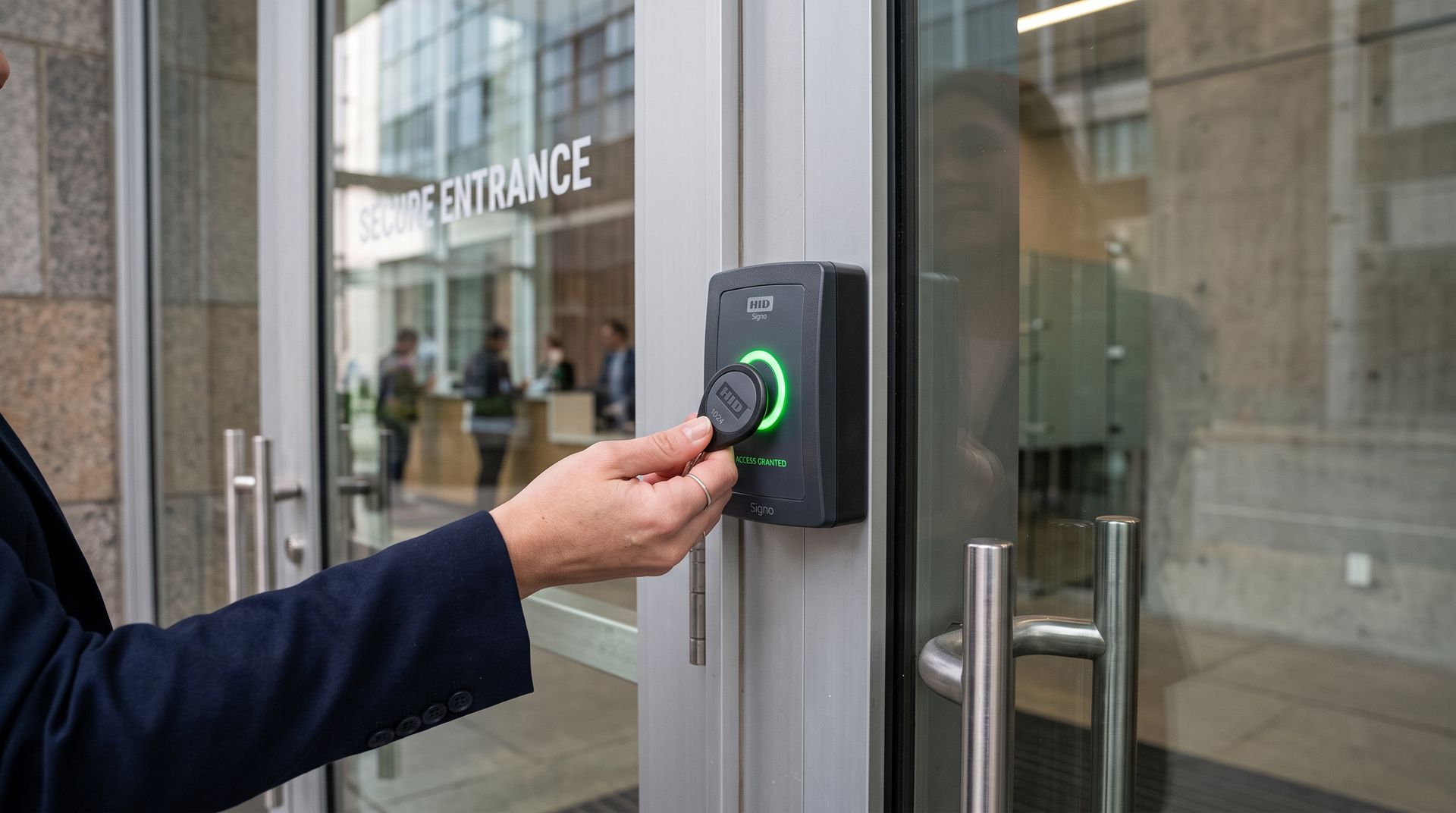
Access control systems are supposed to keep our buildings and people safe, but sometimes they can backfire and put lives at risk—especially if the design or setup is off. We’re talking about the little details: door locks that don’t open fast enough in a fire, high-tech badges that leave folks stranded during a power outage, or access points that block emergency exits. In this guide, we break down how compliance, smart tech choices, and proper integration all play into keeping people secure—not just from intruders, but during actual emergencies. If you manage building safety or plan access controls, this is one you’ll want to read closely.
Controlled Access Introduction and Why Life Safety Matters
Controlled access is all about keeping the wrong people out and letting the right ones in. We use things like key cards, fobs, mobile credentials, and even facial recognition to secure entrances, manage visitor traffic, and protect private areas. But here’s the catch—if you don’t fold life safety into your access strategy, you’re only solving half the problem.
Life safety refers to protecting people from hazards like fires, natural disasters, or any event that would require quick evacuation. So the big question is: does your access system work for you when things go sideways? Can everyone—including folks with disabilities—get out fast and safely if there’s smoke or the alarms go off? That’s the heart of why life safety matters in the conversation about controlled access.
Door hardware and technology have come a long way from simple locks and keys. These days, smart locks, cloud-based management, and controlled doors can automate a lot—locking down after hours, monitoring who comes and goes, even sending alerts for unusual access attempts. But with every update, the risk of accidental lockouts or blocked exits grows if life safety isn’t prioritized in the system’s design. At the end of the day, an access control plan that ignores safe egress isn’t really keeping anyone safe at all.
Access Control Compliance and Regulatory Standards
Every building must follow a mix of federal, state, and local standards that spell out how access control systems should work, especially in emergencies. The International Building Code (IBC) and National Fire Protection Association (NFPA 101 Life Safety Code) lay down the law when it comes to keeping doors open for fire egress, having clear emergency signage, and making sure exit routes are always accessible.
The Americans with Disabilities Act (ADA) is another big player. Any access system—whether it’s a keypad, card reader, or smart lock—must be usable by people with mobility, visual, or cognitive challenges. You can’t put a swipe reader so high up that someone in a wheelchair can’t reach it, or design an exit that needs multiple actions to open.
Noncompliance is costly. It can lead to code violations, failed inspections, shutdown orders, or big fines. Some local jurisdictions even conduct unannounced testing, checking that fire doors unlock automatically when alarms are triggered and that emergency lighting is working. Regular inspections and staying up on the latest codes are non-negotiable for avoiding these pitfalls. Facility and property managers should keep tight documentation and run their own safety audits to stay ahead of the compliance game.
Liability Risks Regulatory Noncompliance and Unmanaged Access
If an access control system fails—or if you’re not following the rules—you’re opening yourself to a world of legal and financial pain. Imagine an emergency where the doors don’t unlock: people can get trapped, injured, or worse. The aftermath isn’t just tragic, it’s a lawsuit waiting to happen, with courts and regulators coming down hard for negligence or code violations.
It doesn’t stop with emergencies, either. Unmanaged or loose access control means anyone could wander in: unauthorized visitors, disgruntled employees, or even outright thieves. Every time you allow unmanaged access, you weaken your protection for everyone inside and create opportunities for safety breaches or criminal activity.
Regulatory fines aren’t the only concern. There’s reputational harm, insurance complications, and even the threat of criminal charges for serious failures. Whether the problem comes from system neglect, noncompliant hardware, or simply leaving access points unmonitored, proactive management is the only way to protect both your people and your organization’s liability. Stay vigilant, and you keep both your conscience and your business clean.
Integrating Life Safety Systems and Emergency Preparedness
There’s more to access control than just keeping doors locked or tracking who comes and goes. When alarms sound or smoke starts pouring in, the real test is whether your access control actually works with life safety systems to help everyone get out fast and safe.
Integrating access systems with emergency protocols means making sure a locked door won’t turn into a dangerous obstacle when seconds count. If the access controls aren’t synced up with fire alarms or smoke control, you can end up with a bottleneck at the worst possible moment.
Common mistakes, like forgetting to connect access points to fire panels or not testing emergency overrides, can quietly set the stage for failure. The goal isn’t just to keep threats out—it’s to make sure that, in any crisis, your systems support a smooth and safe evacuation. Let’s break down what good integration looks like and how risk can quickly stack up if it’s ignored.
Meeting Life Safety System and Emergency Egress Requirements
- Single-Motion Egress: Every exit door must allow occupants to open it with one easy motion, with no special knowledge or tools. No fumbling, no extra steps—just push or pull and go.
- Emergency Lighting and Signage: Hallways, exits, and stairwells must have illuminated signs and backup lighting so people can find the way out, even during a blackout.
- Unobstructed Exit Paths: It’s critical to keep all exits and access-controlled doors free from barriers, debris, or locked conditions that would prevent a speedy escape.
- Accessible Egress for Everyone: Access systems must not block people with disabilities. This means ensuring tactile, audio, and hands-free solutions for all building occupants.
- Regular Egress Testing: Facility operators should perform frequent checks, documenting that all egress doors work correctly and meet life safety code standards.
Fire Alarm and Smoke Control System Integration
- Automatic Door Unlocking: Access control doors must automatically unlock—or "fail safe"—when a fire alarm or smoke detection system is activated, so occupants and first responders aren't trapped.
- Tied-In Fire Panel Controls: Proper integration means the fire panel directly communicates with access controllers, ensuring real-time response during an emergency.
- Timed Emergency Override: For doors on delayed egress, integration needs to override time delays immediately when fire systems are triggered, per code requirements—typically within 15 seconds or less.
- System Testing and Maintenance: Regular drills and inspections verify that all connections—physical and digital—between access, fire alarm, and smoke control systems are operational and compliant.
- Documentation for Code Compliance: Maintain up-to-date records of integration points and testing protocols to show inspectors your system meets all safety regulations.
Smart Lock Requirements and Fire-Rated Door Compliance
Smart locks are popping up everywhere, but not all models are created equal—especially when it comes to fire safety and code compliance. Any time you use a smart lock on a door that’s supposed to withstand fire, you’ve got extra hoops to jump through. That door isn’t just for keeping people out; it’s designed to slow the spread of fire and smoke for a set amount of time (often 20, 45, or 90 minutes).
Here’s the kicker: if a smart lock interferes with a door’s fire protection rating or blocks a required emergency exit, you could find yourself out of compliance. The NFPA, IBC, and local codes are crystal clear—locks must never stop someone from getting out quickly in an emergency. That means smart locks need tested fail-safe features, must be compatible with panic hardware, and can’t require more than a single action to open.
Also, check the fine print on your building’s insurance—many policies require proof that any electronic lock on a rated door has passed fire testing and is listed by recognized labs like UL. Lastly, accessibility is non-negotiable. If your tenants or visitors can’t use the lock because of mobility, vision, or dexterity limitations, you’re not just risking a code violation—you’re risking someone’s safety. Always assess both compliance and usability before installing smart locks, especially on critical doors.
Mobile Credentials and Key Fobs: Security and Emergency Trade-Offs
- Mobile Credentials (Phones/Apps): Convenient and contactless, but can be unreliable if the phone battery is dead or during Wi-Fi/data outages. In an emergency, not everyone may have their device handy or unlocked.
- RFID Key Fobs: Simple to use, quick to replace, and not dependent on network access. But fobs can be lost or cloned, raising concerns about unauthorized access if not deactivated promptly.
- Physical Cards: Tried-and-true choice for many businesses. Easy to distribute and manage in bulk, but vulnerable to tailgating or sharing between employees. Cards can also be blocked or tracked for extra control.
- Emergency Scenarios: During a fire or power outage, physical keys and battery-backed fobs typically offer better reliability than mobile access, since they don’t rely on electronics or connectivity to work.
- Security Trade-Offs: The more convenient the credential type, the higher the risk of it being lost, shared, or hacked. Consider multi-factor authentication or pairing with real-time monitoring for better protection.
Risks of Unregulated Access and Construction Site Hazards
Construction sites and buildings without real access control are magnets for trouble—both from outside threats and inside slip-ups. With people and materials moving in and out all day, missing or weak access systems can make it too easy for tools to walk off, unauthorized folks to slip past, or risky situations to go unnoticed.
Physical hazards multiply in these settings. If an access-controlled exit is improperly installed or never activated, you could have workers or visitors unable to evacuate when it matters most. Injuries can skyrocket, and lawsuits are never far behind in the aftermath of an unmanaged access incident.
To top it off, regulatory requirements don’t take a break just because the site’s under construction. If local inspectors catch missing documentation, door overrides that don’t work, or access points left open, expect citations—and possibly work stoppages—until you bring things back up to code. That’s money and time most sites can’t afford to lose. Understanding these exposures is step one in plugging gaps before they cause real harm.
Potential Theft and Employee Protection in Unregulated Spaces
- Increased Theft Risk: Open access makes it easier for tools, equipment, and valuable materials to disappear, costing sites thousands in losses per year.
- Employee Misconduct: Without monitoring, staff can engage in unauthorized actions—like accessing restricted areas or after-hours entry—leading to property damage or stolen confidential data.
- Occupant and Worker Safety: When unknown individuals can enter, everyone’s safety is at stake in the event of an emergency or workplace violence situation. Lacking access records hinders incident response and investigation.
- Legal Liability: Poor access control exposes property owners to lawsuits over injury, theft, or noncompliance with safety regulations—sometimes resulting in hefty settlements and insurance claims.
- Practical Fixes: Employ temporary locks, guard services, real-time badge management, and daily audits to keep both assets and people secure on sites and in unregulated areas.
System Design, Integration, and Lifecycle Management
Getting the most out of your access control isn’t just about picking the latest gadget. It’s about designing a system that actually fits your property, integrates smoothly with management tools, and keeps up with both compliance and evolving threats as time goes on.
If you’re running apartments, coworking spaces, or commercial buildings, integration with property management systems can streamline everything—from who gets in and out, to automating updates and keeping digital access records airtight. That means fewer mistakes, faster reactions to emergencies, and easier compliance checks, all without breaking your stride.
But don’t stop at installation. Regular assessments, maintenance routines, and the freedom to scale or customize your system are how you fend off security gaps, tech obsolescence, and missed regulatory changes. The smartest operators plan for upgrades, patches, and even retirement of old gadgets before they become liabilities. With the right design and forward-thinking lifecycle management, your access control investment pays dividends in both safety and peace of mind.
Integration with Property Management Systems
Studies show that integrating access control with property management systems like Yardi or Entrata can speed up occupant onboarding by up to 70% and reduce entry errors by half. For example, a 2022 survey by Security Today found facilities with integrated PMS-access control reduced unauthorized access incidents by 32% over 12 months. Experts agree: having unified platforms increases data visibility, response speed, and eases compliance audits. Case studies from large multifamily firms have shown that automated credential revocation and audit trails help prevent most security lapses at move-out or employee termination. In a world where every minute counts, thoughtful system integration is a proven risk reducer.
Lifecycle Assessment and Preventive Maintenance of Access Systems
- Routine System Inspections: Schedule monthly or quarterly reviews of all hardware and software components to catch wear, software bugs, or tampering early.
- Compliance Audits: Check at least yearly that your system meets all current fire, ADA, and building codes—especially if local regulations have changed since your last setup or upgrade.
- Firmware and Security Updates: Stay on top of manufacturer updates to address cyber vulnerabilities before someone else finds them.
- Scalability and Customization Reviews: Reassess your system after tenant turnover, expansions, or business changes to ensure it keeps pace with your operational needs.
- Budgeting for Capital Improvements: Allocate funds each year for planned upgrades or emergency repairs, future-proofing your setup against unexpected failure or obsolescence.
Strategic Implementation, Provider Selection, and System Reliability
Bringing it all together, the biggest wins in access control come from taking a step back and building a holistic safety plan—one that goes beyond gadgets and seeks airtight continuity, compliance, and occupant safety. Think of it like drafting a playbook. Before you lock in contracts or roll out new systems, you need a clear risk assessment tailored to your property’s unique challenges and future growth.
Choosing the right provider can spell the difference between routine peace of mind and surprise headaches when things get rough. Vendor experience, support quality, and system flexibility are just as crucial as the hardware itself. Choosing a good partner up front often means you’ll spend less on fixes and upgrades down the line.
Your end game? A secure environment that adapts as your business, tenants, and regulations change. By prioritizing both upfront design and ongoing support, you’re investing in lasting protection—for your occupants, your reputation, and your bottom line.
Selecting Reliable Providers and System Customization Considerations
- Vendor Track Record: Choose providers with proven experience in access control, relevant certifications, and positive industry reputation.
- Technical Support Quality: Reliable support ensures faster resolution of outages, crisis events, and integration hurdles.
- System Customization: Look for providers offering solutions tailored to your property type and future scalability needs.
- Compliance Knowledge: Your vendor should advise on fire, ADA, and security codes, demonstrating up-to-date expertise.
- Emergency Reliability: Ask for references and case studies showing system performance during past emergencies, not just day-to-day operation.
Frequently Asked Questions and Key Takeaways on Access Control Life Safety Risk
Let’s face it: when it comes to access control and life safety, we all have a lot of questions—some are pretty simple, and some get tricky fast. Here’s the no-nonsense list facility folks ask us most, plus the big lessons you don’t want to skip over.
- How do I stay compliant with life safety and access control regulations?
Always verify that your system meets local fire, ADA, and building codes. Remember, compliance can change, so schedule annual reviews and keep up with law updates—don’t trust that last year’s “good enough” still applies! - What’s the biggest risk if access control fails during an emergency?
If exits don’t release, people could become trapped. Cyberattacks or system glitches are very real threats, so always test emergency egress and make sure redundancy is in place. - How can modern systems actually improve safety?
Systems with behavioral analytics can spot unusual access patterns (like after-hours badge use or tailgating) right away, helping us act before incidents escalate. Access log data can even help first responders track missing occupants during an evacuation! - What key habits or takeaways should we focus on?
Invest in regular staff education, preventive maintenance, and inclusive design so nobody’s left behind in an emergency. And, just as important, make sure your IT team locks down networked doors and keeps firmware patched—cyber-physical security is everyone’s business.
At the end of the day, access control is never “set and forget.” Keep learning, stay alert to changing risks, and you’ll be a step ahead—safety is a team game, and it’s one we can’t afford to lose.
Centex Systems