Employee Access Control: Securing Your Workplace
Employee Access Control: Securing Your Workplace
Employee access control is the backbone of workplace security, making sure only the right people enter the right places at the right times. Think of it as the set of rules and tools that keep everything and everyone safe inside your business—whether that means locked doors, secure server rooms, or restricted digital files. These systems work behind the scenes, protecting people, property, and sensitive information from threats large and small.
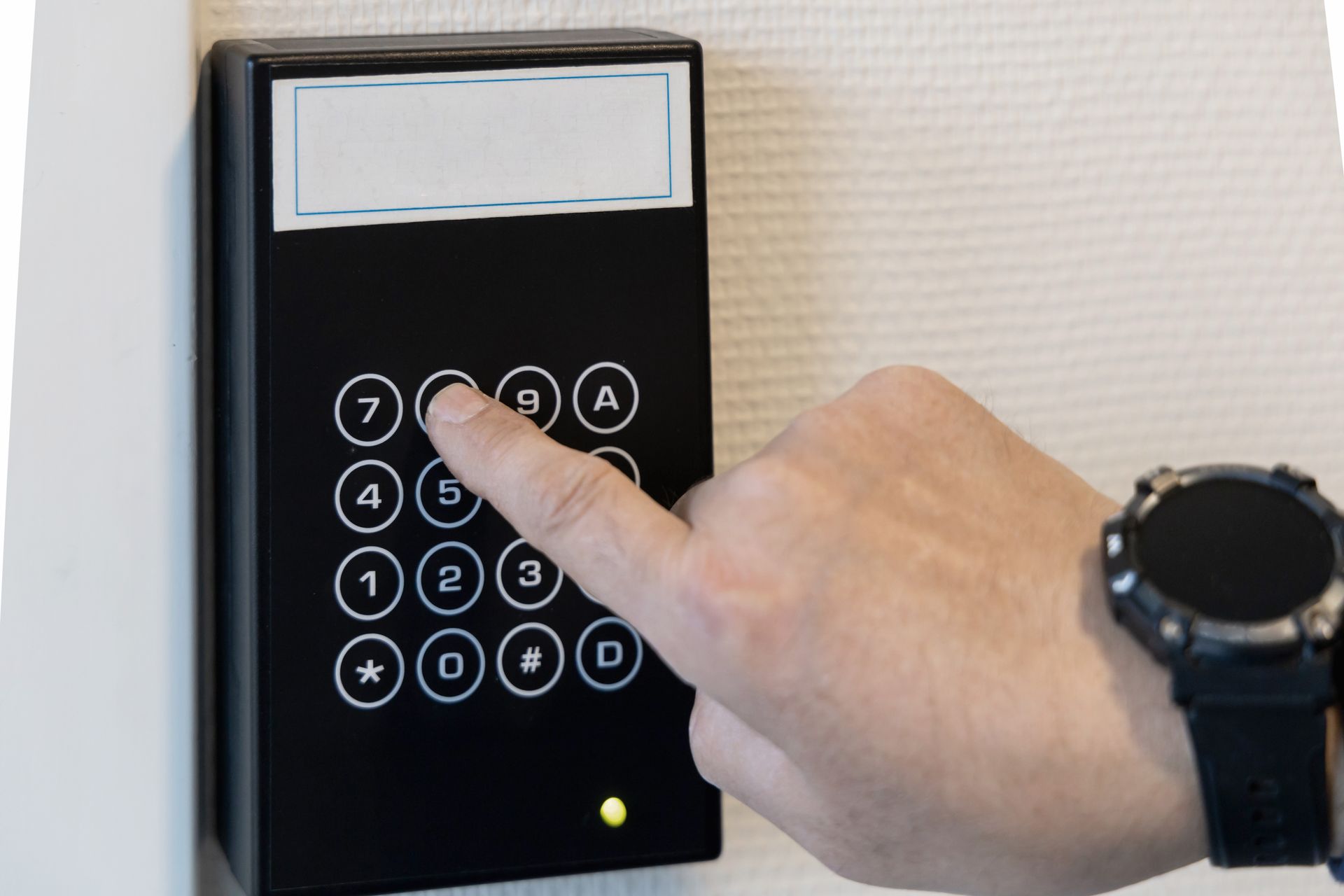
Now, in today’s world, it isn’t enough to just lock a door and call it a day. With so much valuable data flying around—and so many folks coming and going—companies need smart systems that track, manage, and control access on all fronts. From physical card readers to digital logins and everything in between, effective access control forms the foundation of solid, modern security. It’s what helps us stay ready for challenges, stay compliant with the rules, and sleep a little easier at night.
Understanding Access Control for Employees
If you want to keep your business running smooth and safe, understanding employee access control is where you start. At its core, access control is simply the method for deciding who should get in, who stays out, and when. Whether we’re talking about front doors, parking garages, online platforms, or even executive offices, the idea is the same: don’t just hand out keys to everyone. The system checks, verifies, and tracks entry so the workplace stays both accessible and secure.
You’ll hear us talk about two sides to this coin: physical and digital. Physical access control means things like badges or fobs to open a door. Digital access control is about passwords, two-factor authentication, and role-based permissions to get into databases or files. Both are crucial, and often, they come together in a well-connected system. That’s what lets organizations manage risk, meet regulations, and keep daily operations running without unnecessary hiccups.
Most importantly, access control gives structure and accountability—every entry or login leaves a record, which keeps opportunistic threats at bay. From Fortune 500s to small operations, having a plan for access means you can limit headaches, prove compliance, and build trust with those who rely on your workplace being both welcoming and protected.
Why Workplace Security and Compliance Matter
Maintaining strong workplace security protects your employees, customers, assets, and reputation from harm or theft. Access control reduces the risk of unauthorized entry, which can lead to loss, sabotage, or data breaches. By keeping sensitive areas and information under lock and key, you’re not just protecting property—you’re also meeting legal and industry regulations.
Compliance is more than a checkbox; it’s a way to show your business meets standards such as HIPAA, GDPR, or SOX. Proper access control systems help demonstrate you’re controlling who accesses confidential records and workplace environments, lowering legal risks and supporting safe, accountable business practices.
Core Models of Access Control in the Workplace
If you dig deeper into access control, you’ll discover it’s not one-size-fits-all—there’s a handful of main models out there, and each one suits a different kind of workplace setup. Some systems give out permissions based on job titles, others look at attributes like department or security clearance, and some let managers hand-pick who can get in where.
The way you choose to manage who gets access—and how much freedom they have—can seriously impact your company’s overall security. That decision might depend on the type of data you handle, legal rules you need to follow, or how your teams work together across sites and shifts. The right model helps keep things tight without slowing everyone down.
Coming up, we’ll break down exactly how these models work and why it matters who gets the keys to the castle. From big-picture decisions to the fine print, finding the right fit for your business makes all the difference in keeping you safe, compliant, and efficient.
Enhancing Security Through Identity and Access Management
Integrating identity and access management (IAM) boosts workplace security by strictly authenticating each individual. IAM systems centralize user identification, making sure only verified employees can access sensitive resources. These systems are often connected to directory services, like Active Directory, to streamline onboarding and offboarding processes.
Thorough identity verification prevents impersonation and unauthorized access. When IAM is paired with access control systems, it simplifies permission updates, helps keep records audit-ready, and cuts down on security loopholes that might trip up daily business operations.
Implementing Effective Access Control Systems
When you roll up your sleeves to implement access control, it’s all about striking the right balance—easy enough for folks to do their jobs, but strict enough to keep trouble out. You’ll need clear policies that spell out who goes where, smart tech that matches your workspace, and systems that work together without confusion.
A solid deployment plan considers everything from policy design and employee provisioning to integrating old and new security tools. It’s not just a one-time install; managing access is an ongoing cycle—roles change, people come and go, compliance standards shift. Good systems make these adjustments as quick and clean as possible, minimizing holes and confusion.
Keeping an access control program running smooth requires checking in regularly, responding to new threats, and keeping the records straight for when audits come knocking. We’re diving into how to figure out who gets in where next, because that’s where a lot of headaches start—and where the foundation for real security gets built.
Identifying Access Needs and Data Sensitivity Levels
Determining access needs starts with mapping out employee roles, then tying those roles to their essential areas and data. For example, only IT staff might need server room access, while HR has rights to personnel files. Classifying spaces and information by sensitivity level ensures each employee only gets the minimum access needed to do their job.
Following the principle of least privilege keeps excess risk off the table—no one gets more access than they require, and the pathways for “just in case” entries stay locked down. This structure limits security gaps and helps protect your most valuable assets from unnecessary exposure.
Technology That Powers Modern Access Control
The world of access control tech is moving fast, and it’s making buildings smarter and security tighter. Today’s options go far beyond old-school keys or mechanical locks; now, we see systems that blend badges, mobile credentials, cloud-based platforms, and even face or fingerprint scans into one seamless package. It’s about shielding the workplace while making life easier for employees at every turn.
Connected hardware and software work together so you can see who’s coming and going—sometimes in real time—while automated updates keep your system nimble as people’s roles and schedules change. Surveillance and alert integrations add a watchful eye on physical points of entry. The goal isn’t just to stop outsiders; real access control also helps you spot odd behavior and correct problems before they grow.
We’re about to dig into some of the slickest features out there—things like touchless entry and mobile-based authentication that seem almost futuristic, until you see how well they help organizations adapt to tomorrow’s threats while keeping the day-to-day running smooth.
Touchless Entry, Mobile Access, and Biometrics
Touchless entry systems use methods like Bluetooth, NFC, or facial recognition, allowing employees to unlock doors with mobile devices or biometrics. This reduces the spread of germs and removes the hassle of lost cards or forgotten PINs. Mobile credentials let organizations remotely issue or revoke access permissions with ease.
Biometrics—fingerprints, face, or iris scans—offer strong authentication since they are unique to each person. These advanced systems combine speed and user-friendliness with enhanced protection against unauthorized entry, supporting workplaces as threats evolve and user expectations grow.
Managing Access for Employees, Visitors, and Contractors
Managing access isn’t just about your own staff—plenty of folks pass through any modern workplace. You have guests, delivery drivers, contractors, and maybe a parade of consultants. Giving the wrong person too much leeway is asking for problems, so the goal is always to keep access “just enough” for each group and keep a close eye on who comes and goes.
The trick is to put systems in place that allow for quick and clear check-ins, limit what non-employees can touch or see, and automatically track temporary credentials. That way, visitors feel welcome, work gets done, and sensitive areas don’t become free-for-alls. The same goes for short-term workers—once their job is over, their access has to end, right on schedule.
This type of controlled, flexible access doesn’t just keep the wrong people out; it helps cut down on administrative headaches and tightens up audit trails for compliance checks. Up next, we’re getting into how to lock things down when someone leaves, so your workplace doesn’t end up with an unwanted “guest” who should’ve been out the door ages ago.
Preventing Unauthorized Access From Ex-Employees
The risk from former employees is real, especially if access isn’t revoked right when they leave. To prevent trouble, organizations should instantly deactivate credentials, schedule automatic expirations, and monitor for access attempts by those no longer authorized.
Strong procedures also include real-time alerts for attempted entry at doors or systems. By tying access control changes into HR offboarding, companies seal gaps fast and keep critical assets secure throughout the entire employee lifecycle.
Optimizing Security, User Experience, and Efficiency
There’s always a balancing act: you want airtight security, but you also want your workplace humming—not gummed up by slow doors or complicated logins. A modern solution should make sure employees get where they need to quickly while keeping restricted zones out of reach for everyone else.
Efficiency is about more than just speed. It includes keeping access rights clean and easy to use, so nobody gets bogged down with unnecessary approvals or resets. Done right, these systems actually support productivity—letting your teams do their jobs confidently, knowing that behind every swipe or scan is a strong security net.
Sensitive zones, like server rooms or research labs, must be closely monitored, with access rights limited and regularly reviewed. This ensures the security measures don’t become a burden, while remaining tough on threats and nimble enough to handle workplace changes, expansions, or the odd merger. Up ahead, we’ll tackle the nuts and bolts of how to keep high-risk zones from turning into weak spots.
Restricting Excessive Access and Securing Sensitive Zones
Giving employees more access than necessary is a recipe for security headaches. By limiting permissions to what’s needed—and regularly reviewing these rights—organizations can keep critical zones, like data centers and labs, protected from both internal and external threats.
Using systems to monitor who enters sensitive areas, enforcing strong sign-in policies, and quickly updating or removing permissions ensures only authorized personnel set foot in high-risk places. This tight approach not only stops mistakes but keeps valuable assets and information where they belong: safe and sound.
The Future of Employee Access Control Systems
Employee access control is moving fast—right along with the threats we're facing. In the coming years, we’re looking at more software driven by AI, systems that make access decisions in real time, and zero-trust security models that don’t just assume a badge means “welcome.” That means less risk of internal or external surprises, and more granularity over who really gets through the door.
Integration is also evolving. Modern access control is starting to sync directly with HR systems—automating onboarding workflows, role changes, and offboarding access revocation, which closes gaps that used to let ex-employees slip through the cracks. The days of manual badge updates and recurring spreadsheet headaches? They’re numbered.
But let’s not stop there. We see behavioral analytics making their way into daily security: AI now spots suspicious access patterns, flags unusual entries, and uses risk-based authentication, preventing problems before they’re visible on a camera or a log. Instead of preventing crashes after the fact, these systems enable true proactive defense—something the old ways never could.
Tomorrow’s access control is about being smarter and more efficient. Expect more unified management platforms, instant compliance reporting, and real-time risk scoring. The future isn’t just about locking doors; it’s about enabling business to move forward—safely, smoothly, and with fewer blind spots.
Centex Systems