
Can Burglars Disable Security Systems? Here’s What Homeowners Should Know
Can Burglars Disable Security Systems? Here’s What Homeowners Should Know
It’s a tough question many of us lose sleep over: Can burglars really disable security systems? The short answer is yes—some criminals know exactly what weak spots to look for and how to outsmart older or poorly-installed alarms. While modern systems do put up a fight, they’re not foolproof against determined intruders.
Understanding how burglars think and operate is the first step in keeping them out. From physical tampering to tech tricks, criminals are more creative than you might expect. That’s why this guide goes beyond scare tactics and gives you the lowdown on how break-ins actually happen, what makes systems vulnerable, and what you can do to build defenses that really work. By the end, you’ll be ready to spot the cracks before a thief does.
How Burglars Disable Alarms and Exploit Security System Weak Spots
Securing our homes demands staying one step ahead of anyone eyeing our property for the wrong reasons. We can’t just rely on those shiny stickers or hope a blinking light is enough to send a would-be burglar running. Burglars today use a combination of street smarts, patience, and sometimes surprising tech skills to disable home security systems and sneak past defenses most folks trust.
Thieves often come prepared, whether it’s with a pair of wire cutters or tools that scramble wireless signals. But not all of their tactics are high-tech. Sometimes, simple oversights like exposed wires or a security panel in the open become just the break an intruder is looking for. When we slack off on maintenance or skip the small details, even an expensive system can become an easy target.
This section gives a broad look at the tricks burglars use to make alarms useless, and which mistakes in setup or design leave homes wide open. Up next, we’ll break down specific methods criminals rely on and the most common weak spots they hunt for—so you can start plugging those gaps before someone else does.
Most Common Ways Burglars Disable Alarms
- Smashing the Control Panel:Some burglars make a beeline for the alarm’s main hub—usually just inside the front door or easily visible. If they’re fast enough, they can smash it before the system trips or sends a signal out. Older systems or basic models are especially prone to this direct attack, which can buy a thief time before help arrives.
- Cutting Phone Lines or Cables:Hardwired alarm systems typically depend on phone lines to alert authorities. By cutting these lines (sometimes from outside the house), burglars can sever communication, leaving the system to sound its siren with nobody coming to help. Wireless systems are a step up, but even then, some rely on a backup phone connection vulnerable to the same trick.
- Radio Frequency Jamming:Tech-savvy crooks bring devices that scramble the signals between sensors and control panels. If your wireless system uses a common frequency, it can be jammed, so none of your door or window alarms register an intrusion. That means a burglar can get in without alerting the system—or you—at all.
- Bypassing Sensors:With a little observation, some thieves learn which sensors are placed where, then carefully avoid or tamper with them. For example, a misaligned window contact or a motion sensor blocked by a tall plant might offer a clear path inside. Sometimes, burglars even use magnets to fool reed switches into thinking a window or door is still closed.
- Insider Threats or Social Engineering:Not all threats jump fences or break windows. Former tenants, cleaning crews, or anyone with access to a disarm code can quietly turn your system off. Social engineering—like pretending to be a service rep or tricking someone over the phone—lets intruders get codes or disarm systems without ever setting off alarm bells.
- Exploiting Power Loss:If a burglar knows your security system loses power in an outage—and there’s no battery backup—they may cut exterior power lines or just wait for a storm. No juice, no protection. This is a classic move for criminals who know the neighborhood’s electrical quirks.
- Hacking Smart Home Systems:With more homes running on apps and voice assistants, digital attacks are on the rise. Weak passwords or outdated software leave a back door wide open for hackers to disarm alarms from anywhere, without stepping foot on the property.
Alarm’s Weak Spots Burglars Exploit
- Exposed or Accessible Wiring: Outside cables and wires can be easily snipped, disconnecting parts of your system before you realize anything’s wrong.
- Poor Sensor Placement: Sensors hidden by curtains, furniture, or plants might not pick up movement or a forced entry, letting burglars slip by undetected.
- Unsecured or Obvious Control Panels: Systems with panels near entry doors or plain in sight give thieves a quick target for sabotage.
- Outdated Technology: Old alarms lacking encrypted communication or automatic alerts to your phone are easier prey for modern tampering.
- Universal Access Codes: Systems with default or never-changed codes make for an open invitation, especially if previous residents or contractors still know them.
Physical and Technical Methods: Disrupting Alarm Communication and Power Sources
Security systems aren’t just about the stuff you can see—sometimes the biggest threats come from what’s running behind the scenes. More and more, burglars do their homework and look for ways to shut down an alarm’s ability to call for help by targeting its brain, its voice, or its power supply. The most determined intruders don’t bother sneaking—they’ll go right at these weak points.
In this section, we’ll look at the methods burglars use to cut off the lifelines alarms rely on, such as communication lines and the electricity that keeps everything running. It’s not all high-tech gadgetry, either; sometimes a well-placed pair of wire cutters does the trick. Coming up next, we’ll break down exactly how criminals cut communications or take advantage of outages, and why homes with backup systems and redundant connections have a serious edge.
Cutting Alarm’s Communication Lines and Signals
- Snipping Phone Lines:Some old-school alarm systems send alerts through regular phone lines. Burglars who spot exposed wires coming out of a utility box can cut them before they even approach a door. With no outgoing signal, no police are alerted even if the alarm inside blares away.
- Disconnecting Network Cables:Modern alarm systems often link to Wi-Fi or Ethernet. If a savvy thief finds where the cables run—like through a basement window or unlocked box—they can pull the plug, stopping any digital cries for help right at the source.
- Wireless Signal Jamming:As wireless security grows popular, so does the risk of jamming. Burglars use devices that swamp the frequencies used by sensors and cameras, essentially drowning out the signals with static. This makes it look like everything is quiet and safe when, in reality, someone’s inside moving around and not a single sensor goes off.
- Cellular Connection Blockers:Some tougher systems have a SIM card as backup to call out if other lines fail. Advanced criminals may use cellular jammers to cut off this final lifeline, especially if the house sits in a spot with naturally weak coverage. With no redundancy, the system’s silent and alone.
- Hacking Remote Controls and Apps:Today, crooks might not even be near your property—they could intercept weak app logins or hack poor security on mobile dashboards. A lack of app updates or simple passwords make it easy for a remote attacker to disarm everything with a few taps from another state.
Taking Advantage of Power Outages to Disable Alarms
- Cutting Main Power to the House: Burglars sometimes kill the power from outside at the meter, betting that your security system and cameras will die without electricity.
- Waiting for Scheduled Blackouts or Storms: Opportunists pay attention to utility schedules or rolling blackouts, targeting homes they know rely on plug-in security during those windows of darkness.
- Exploiting Weak Battery Backups: Some systems only last a few hours—if at all—when the power’s gone. Once the batteries die, the entire setup is out of commission, making the house as defenseless as if there were no alarm at all.
- Damaging Solar Panels or Backup Systems: A crook with time might tamper with visible solar power supplies or battery banks to ensure the alarm won’t recover after the main power goes out.
How Thieves Choose Targets and What Makes a Home More Vulnerable
Locks and alarms don’t mean much if a thief thinks our house is the low-hanging fruit on the block. Most burglars want to get in and out quickly, without hassle or extra risk, so they’re constantly hunting for easy targets. What stands out to a criminal scoping out a neighborhood? Predictable behavior, visible weak spots, and any sign that tells them we’re not paying attention.
Criminals notice when people leave valuables within view, or if doors look flimsy and neglected. Sometimes it’s not just physical signals—routine schedules and online habits can help burglars time their moves, slipping in and out while we’re away. Up ahead, we’ll cover typical ways thieves select their targets and the small mistakes that leave homes open for business in all the wrong ways.
How a Thief Chooses a Target
- Visible Security Lapses: Unlocked gates, sagging fences, or cameras pointing the wrong way catch a burglar’s eye and mark a house as possible easy prey.
- Predictable Patterns: Burglars watch for daily routines—cars gone at the same time each day or posted vacation pics—so they know when a house is likely empty and safe to hit.
- Lack of Security Signs: Homes without alarm stickers, yard signs, or obvious surveillance gear are far more likely to draw unwanted attention, even if you secretly have a system inside.
- Dark or Secluded Entrances: Places with overgrown bushes or no lights by the door make it easy for thieves to slip in unseen, so they get added to the “preferred” list.
- Previous Success: If crooks have gotten in before (or know someone who has), they’re more likely to give the same address another try, assuming weaknesses still exist.
Valuables in Sight and Doors’ Potential Weaknesses
- Electronics or Jewelry Visible Through Windows: Laptops, phones, and even handbags left near windows are like neon signs for burglars to come shopping.
- Garage Doors Without Reinforcement: Old wood or unlatched garages are easier to pry open, so criminals often start here if they spot a weakness.
- Glass Panels Near Locks: Doors with small windows or side panels can be smashed so a burglar can reach in and unlock the door in seconds.
- Mail and Packages Left Unattended: A pile of mail signals to thieves that nobody’s home—a perfect time for a quick and quiet entry.
- Easy-to-Force Deadbolts or Poor Strike Plates: Flimsy locks or rusty hardware practically invite a break-in since they won’t hold up to much pressure.
Essential Tips and Modern Security Practices to Prevent Burglary
Preventing break-ins is less about gadgets and more about what we do with them—and how consistent we are. There’s no magic bullet against burglary, but a layered defense makes any house a tough nut to crack. Mixing tried-and-true habits with smart technology turns a home from a likely target into a real challenge that most crooks won’t bother with.
This section collects the most effective, time-tested tips, along with clever new tricks, to keep intruders at bay. Up next, you’ll get a step-by-step playbook covering everything from regular system checks to simple lighting tricks that convince crooks your home is never truly empty—even when you’re miles away.
Top Burglary Prevention Tips For Stronger Security Systems
- Regularly Test and Update Your Alarm:Like any machine, security systems need regular check-ups. Run system tests monthly and update firmware or software to patch known vulnerabilities and stay ahead of new threats.
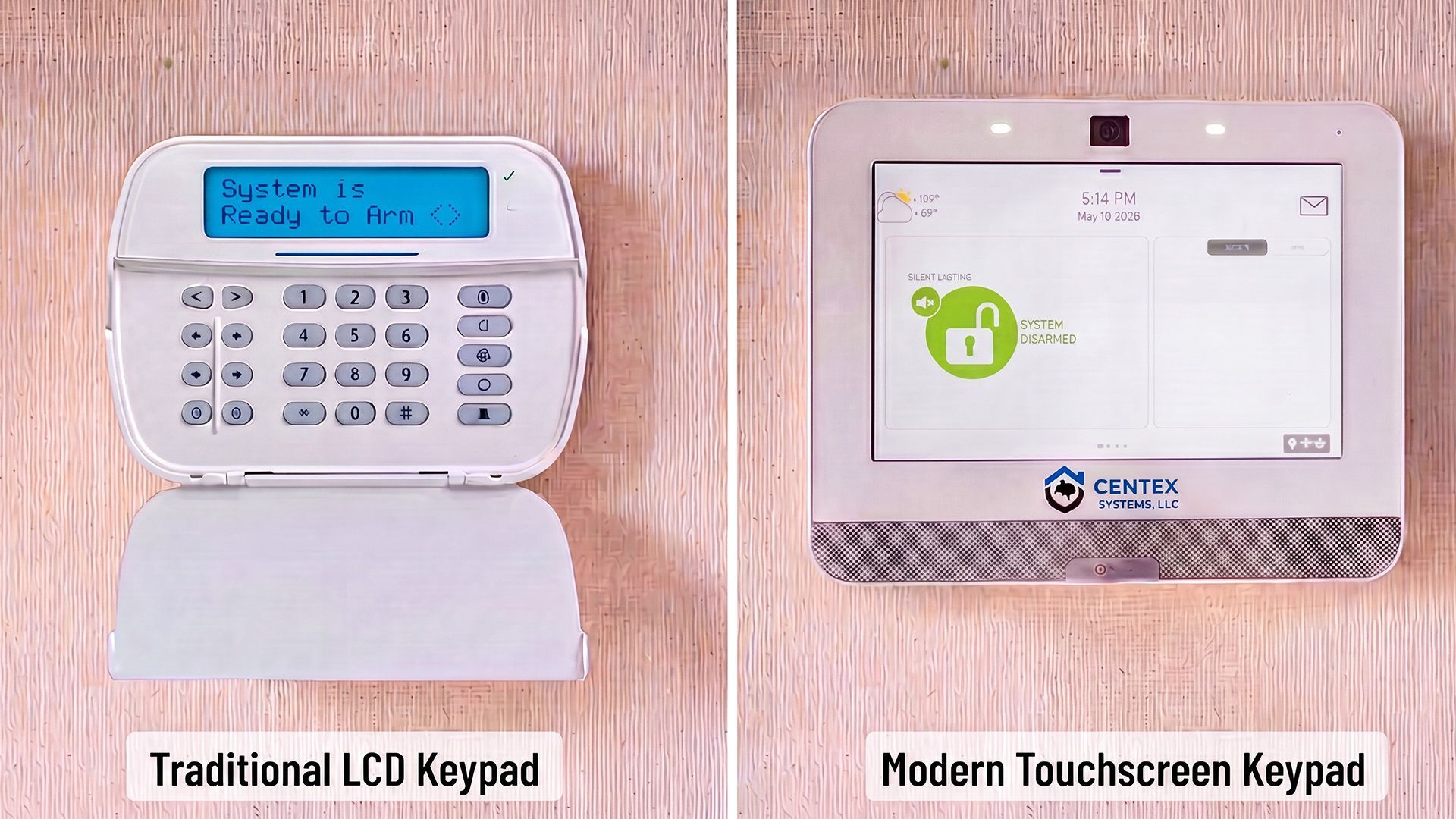
- Choose Hidden, Sturdy Control Panels:Install your panel in a less obvious place and ensure it’s secured to prevent tampering. Add a secondary keypad, if possible, for extra backup in case the main hub is compromised.
- Secure Entry Points with Quality Hardware:Upgrade locks, reinforce strike plates, and use strong deadbolts. Don’t overlook sliding doors—add a security bar or pin to keep them locked against forced entry.
- Position Cameras and Sensors Wisely:Place motion sensors and security cameras near high-traffic areas and possible entrances. Avoid blocking their view with furniture or décor; make sure they’re angled for maximum coverage.
- Limit Code Sharing and Change Passwords Often:Only give alarm codes to trusted individuals, and update them immediately after guests or workers no longer need access. Use strong, unique passwords for smart home devices and apps—not birthdays or predictable combinations.
- Build Redundancy Into Communication:Opt for security systems that use both cellular and broadband paths to alert authorities. The more ways your system can call for help, the harder it is for crooks to silence it completely.
- Keep Your Routine Unpredictable:Vary your daily schedule when you can, and don’t advertise trips or absences online. This helps keep burglars guessing about when your house is truly empty.
- Integrate Audible Alarms and Alerts:Loud sirens, flashing lights, and immediate smartphone notifications scare off less determined thieves and give neighbors a clue that something’s wrong.
Schedule Light Timers and Use Smart Devices to Deter Intruders
- Set Up Light Schedules: Smart plugs and programmed timers turn lights on and off at different times, creating the impression someone is moving around inside—ideal for nights out or longer vacations.
- Use Randomized Patterns: Many smart systems let you shuffle on/off times daily so the house doesn’t fall into a predictable routine that burglars can learn from.
- Combine Lights with Smart Speakers or TVs: Running a TV or speaker on a separate timer fills the house with noise and flickering light, making it even less inviting to a would-be intruder.
Creating Solutions to Outsmart Burglars: Building a Complete Security Defense
No single security trick or device is enough to keep every crook out forever. That’s why experts suggest a layered approach: stacking physical, digital, and behavioral defenses into a system that covers for its own weak spots. A full security strategy doesn’t just rely on alarms—it addresses how burglars actually think and operate.
This final look will connect the dots, tying together everyday best practices, smart technology upgrades, and the real-world effectiveness of layered setups. Up next, we’ll see how these approaches stand up to actual burglary data and what security professionals say truly makes a system strong enough to deter all but the most determined criminals.
The Reality of Burglaries: Weighing Risks and the Effectiveness of Security Systems
Recent studies show homes without security systems are up to 300% more likely to be broken into than those with alarms, according to the National Council for Home Safety and Security. The University of North Carolina’s research found over 60% of convicted burglars say they’d skip a house if it had a visible security system or gave clear signs of tight protection.
Layered security—combining alarms, cameras, smart access controls, and unpredictable routines—drastically reduces the odds of a successful break-in. Insurance data backs this up: claims are highest from homes relying on single points of protection, and lowest among those with overlapping defense strategies.
Still, no system is invincible. Professional burglars evolve their methods, learning how to bypass both old and new technology. But most criminals are opportunists; if you make your home a harder target than your neighbor’s, they’ll almost always go somewhere easier.
The bottom line? Security systems work best when combined with solid habits, up-to-date tech, and regular reviews. That’s how we tip the odds in our favor, protect what matters, and make sure the only folks getting into our homes are the ones we invite ourselves.
Centex Systems